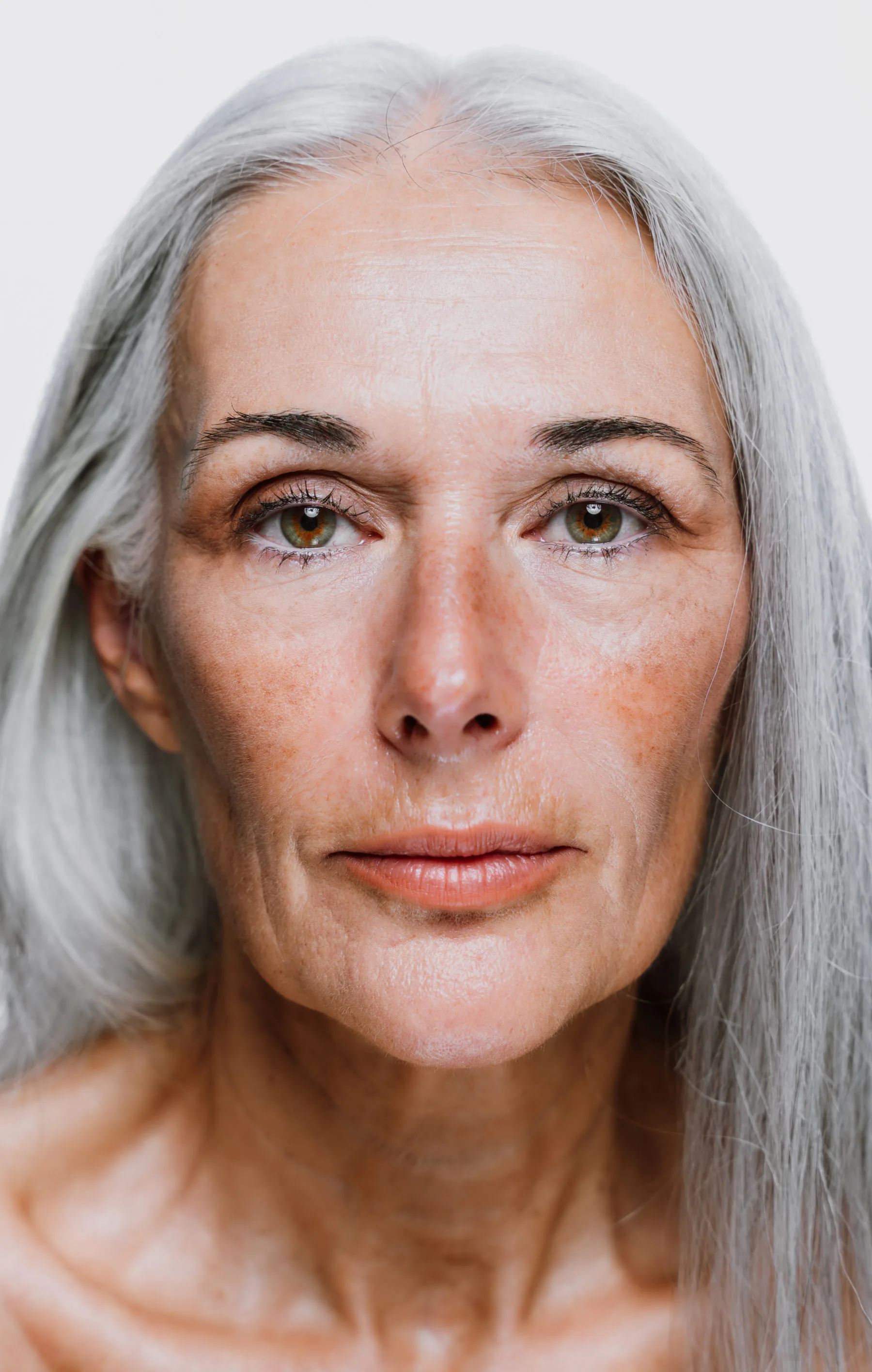

July is Hyperpigmentation Awareness Month, and it feels like the right time to talk about something I see in clinic every single week. Sunspots, uneven tone, patches that seem to deepen every summer, most of my clients have experienced at least one of these at some point. And yet pigmentation remains one of the least understood skin concerns going.
So I want to explain what is actually happening inside your skin, because once you understand the process, the solution makes a lot more sense.
What is melanin and why does it matter
Your skin contains specialist cells called melanocytes. Their job is to produce melanin, the pigment responsible for your skin tone and your skin’s natural defence against UV damage. When everything is working as it should, melanin is distributed evenly and your complexion stays consistent.
The problem starts when melanocytes are triggered into overdrive.
What causes pigmentation
UV exposure is the biggest trigger by far. Every time your skin meets the sun without adequate protection, your melanocytes respond by producing more melanin. Over time, with repeated exposure, that production becomes uneven. Patches develop, tone becomes inconsistent and once that pattern is established it doesn’t simply resolve on its own.
But UV isn’t the only cause. Hormonal changes, particularly during perimenopause and menopause, can cause melanocytes to become hyperactive. This is why so many women in their 40s and 50s notice pigmentation appearing or worsening even when their sun habits haven’t changed. Inflammation is another driver. Post-acne marks, skin trauma and even aggressive skincare can all stimulate melanin overproduction as part of the skin’s stress response.
The role of tyrosinase
At the centre of all of this is an enzyme called tyrosinase. It controls melanin production inside the melanocyte. When tyrosinase is activated, melanin production increases. When it is inhibited, production slows. This is the key to understanding how effective brightening ingredients actually work.
How to treat pigmentation at home
A good pigmentation routine needs to do three things: interrupt melanin production, support cell turnover and protect against further damage. No single product does all three alone, which is why a layered approach matters.
Intellibright Complex by AlumierMD is one of the most effective brightening serums I use in clinic. It works by targeting tyrosinase directly, slowing melanin production before pigmentation can form or deepen. Its antioxidant complex simultaneously neutralises the oxidative stress that triggers melanocytes in the first place. Used consistently, it fades existing pigmentation and helps prevent new patches from forming.
Alongside any brightening serum, daily broad spectrum sunscreen is non-negotiable. Every morning your skin is exposed to UV without protection, you are re-triggering the melanin factory and undoing the work of your serum before it has had a chance to take effect. Clear Shield Broad Spectrum Sunscreen SPF30 is what I reach for most often with pigmentation-prone skin. It protects against both UVA rays, the ageing rays that drive melanin overproduction deep in the skin, and UVB rays, the burning rays that cause surface damage. A moisturiser with an SPF or a tinted foundation only addresses UVB. For pigmentation, broad spectrum protection is essential.
When you need more than homecare
For pigmentation that is more established or hasn’t responded fully to homecare alone, in-clinic treatments can make a significant difference.
AlumierMD’s progressive chemical peels accelerate cell turnover, dissolve the bonds between dead skin cells and bring fresher, more evenly pigmented skin to the surface. Results build progressively over a course of treatments, which is the right way to treat pigmentation, steadily and consistently without overwhelming the skin.
SkinPen Precision Elite microneedling works differently but complements peels beautifully. The micro-channels created during treatment trigger the skin’s natural repair response, stimulating collagen and accelerating the turnover of pigmented cells. For deeper or more stubborn pigmentation, microneedling adds another layer of correction.
The most effective results come from combining the right homecare with a structured in-clinic plan. This is exactly the framework my Signature Package is built around, the right products, the right treatments and the consistency to let them work. You can find out more at finesseskinclinic.co.uk/my-signature-package/.
Where to start
If pigmentation is something you’d like to address properly, an in-clinic skin consultation is the best place to begin. It gives you a clear picture of what’s happening in your skin and a structured plan tailored to you, rather than guessing with products and hoping for the best.
You can book at finesseskinclinic.co.uk/consultation/.